SPINEFITMedical
Lifestyle7 min read1 October 2025
Spine Health for Runners and Athletes — Preventing Injury Without Stopping Training
Running and sport are spine-protective long-term but can cause acute injury if biomechanics are poor. Here's how athletes can protect their spine without sacrificing performance.
Is Running Good or Bad for Your Spine?
The answer is nuanced. Long-term runners have healthier discs on MRI than sedentary age-matched controls — moderate running stimulates disc nutrition through cyclical compression-decompression. However, overuse, poor form, and hard surfaces can cause stress fractures, disc injury, and sacroiliac dysfunction. Volume and technique determine whether running helps or harms the spine.
Most Common Spine Injuries in Runners
Stress Fractures (Spondylolysis)
Repetitive hyperextension forces — especially in fast bowling (cricket), gymnastics, and sprinting — can cause a crack in the pars interarticularis of L4 or L5. Presents as unilateral lower back pain worsening with extension and one-leg standing.
Lumbar Disc Injury
More common in cyclists and weightlifters than runners, but can occur in runners who increase mileage rapidly without adequate core strength.
Sacroiliac Joint Dysfunction
The SI joint absorbs torsional forces during gait. Leg length discrepancy, hip weakness, and running surface changes are common triggers.
Spine-Protective Training Principles
Core First
Paraspinal, multifidus, and transverse abdominus strength is the primary protection against both compressive and torsional spinal injury. Before increasing mileage or intensity, build core endurance — 60-second planks, bird-dogs, and dead bugs.
Hip Strength
Gluteal weakness is the most common biomechanical driver of lumbar overload in runners. Single-leg exercises (Bulgarian split squats, single-leg RDLs) are essential in any runner's programme.
Running Surface Variety
Vary between track, trail, and road to distribute impact forces differently. Grass and trail absorb 20–30% more shock than concrete.
Recovery Therapy
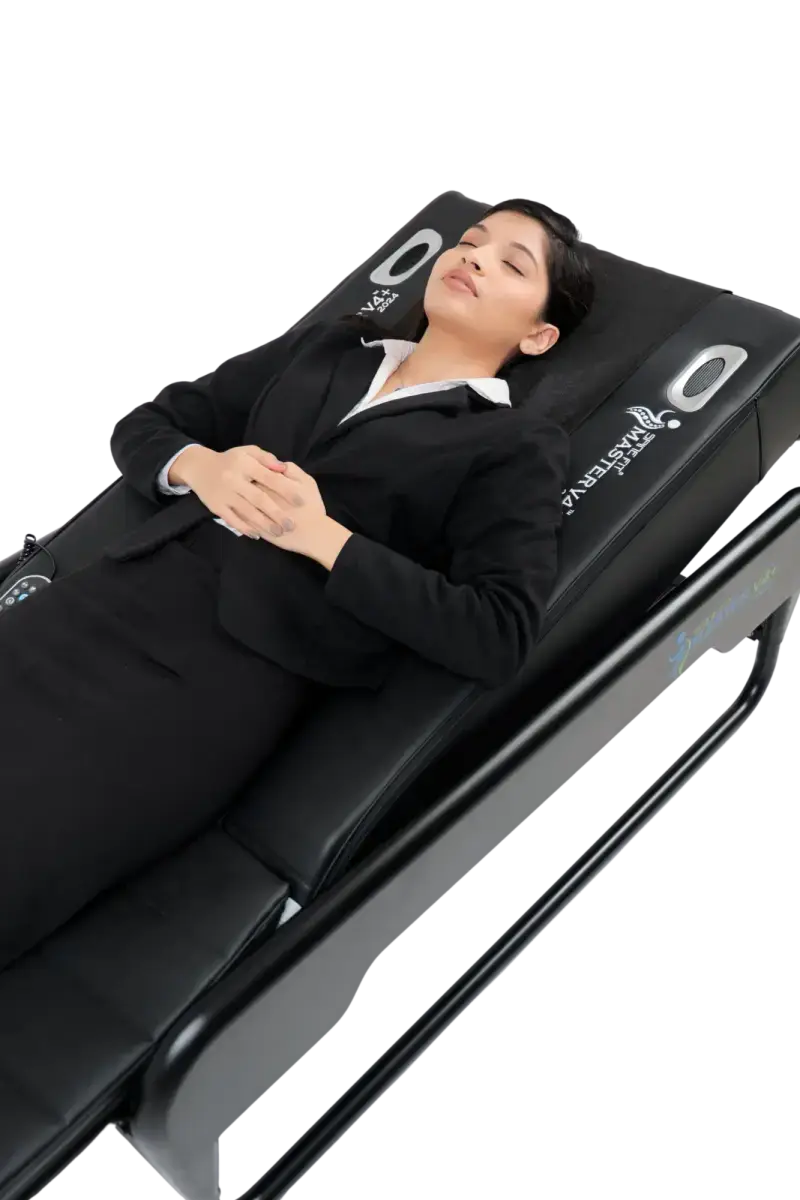
Regular post-training FIR thermal sessions accelerate clearance of metabolic waste products from paraspinal muscles, reduce muscle spasm from repeated eccentric loading, and maintain tissue pliability — directly reducing injury risk with high training volumes.
runnersathletessportsspine injury prevention
SM
SpineFit Medical Team
Clinical content team, SpineFit Medical