SPINEFITMedical
Buyer's Guides9 min read10 April 2025
Spine Therapy Equipment for Physiotherapy Clinics — What to Buy in 2025
Planning equipment for a new physio clinic? This guide covers what spine therapy devices actually deliver ROI and which specs matter for clinical settings.
The ROI Question Every Clinic Owner Asks
Spine therapy equipment is one of the largest capital investments for a physiotherapy clinic. The right choice generates revenue through patient volume and programme premiums; the wrong choice sits underutilised and drags cash flow. This guide is written for clinic owners and practitioners making this decision.
Essential Specs for Clinical Use
1. Regulatory Clearance Is Non-Negotiable
In a clinical setting, you're responsible for patient safety. Only use devices with ISO 13485 quality management certification and ideally CE Mark (European Medical Device Directive). These aren't just marketing badges — they mean the device was designed, manufactured, and tested to clinical standards.
2. Throughput Capacity
A typical spine therapy session is 25–40 minutes. A full-time device can generate 10–12 patient sessions per 8-hour day. At ₹800–₹1,500 per session, that's ₹3,00,000–₹5,50,000 per month from a single device — giving payback periods under 12 months at volume.
3. AI Spine Mapping
Manual adjustment of therapy parameters to each patient's anatomy is slow and inconsistent. AI-based spine detection (like SpineScan™) eliminates operator variability and delivers consistent, personalised therapy — a key quality differentiator for premium positioning.
4. Multimodal Therapy
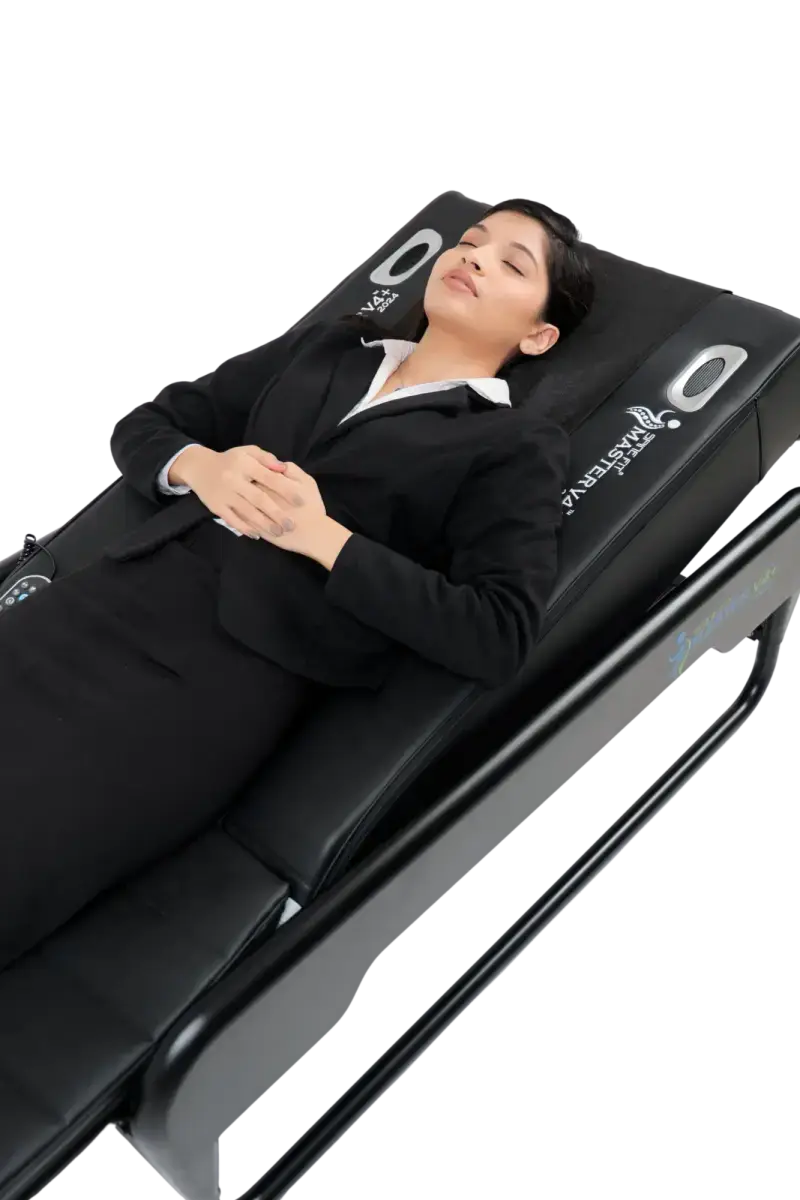
The highest-value clinical devices combine: traction/decompression + FIR thermal therapy + massage (multiple modes) + music therapy. This allows comprehensive 30-minute sessions that replace multiple standalone treatments, maximising revenue per patient contact.
SpineFit Master V4+ — Clinical Specification Highlights
- Full-length coverage (suitable for adults up to 190 cm)
- 21 programmable therapy modes
- SpineScan™ AI: 3-second spine mapping + auto-adjustment
- 65°C FIR ceramic heating system
- 6 massage modalities including Shiatsu and Swedish
- ISO 13485 · CE Mark · FDA Class II
- 1-year full warranty
Calculating Your Return
| Scenario | Sessions/Day | Fee/Session | Monthly Revenue | Payback Period |
|---|---|---|---|---|
| Conservative | 6 | ₹800 | ₹1,44,000 | ~11 months |
| Moderate | 9 | ₹1,200 | ₹3,24,000 | ~5 months |
| Premium clinic | 10 | ₹1,500 | ₹4,50,000 | ~4 months |
Based on 25 working days/month. Device cost: ₹1,50,000 (Master V4+).
physiotherapyclinic equipmentspine therapyinvestment
SM
SpineFit Medical Team
Clinical content team, SpineFit Medical