SPINEFITMedical
Spine Health6 min read10 July 2025
Back Pain During Pregnancy: Safe Treatments & What to Avoid
Over 50% of pregnant women experience significant back pain. Here's what's safe, what works, and what to absolutely avoid during pregnancy.
Why Back Pain Is So Common in Pregnancy
Back pain affects 50–70% of pregnant women and is one of the top reasons women take maternity leave early. The causes are biomechanical and hormonal: growing uterine weight shifts the centre of gravity forward, increasing lumbar lordosis; the hormone relaxin loosens all ligaments including spinal ones, reducing support; and the rectus abdominus muscles separate (diastasis recti), eliminating anterior core support.
Types of Pregnancy-Related Back Pain
Lumbar Pain
Classic low back pain located at the lumbar level, often worse with prolonged standing, bending, or lifting. Similar to non-pregnancy mechanical back pain in character.
Posterior Pelvic Pain (Pelvic Girdle Pain)
Deep, aching pain below the waist on one or both sides, often extending into the buttocks. Positive posterior pelvic pain test (clinician pushing on sacrum while patient lies prone). This is distinct from lumbar pain and responds differently to treatment.
Sciatic-like pain
The growing uterus can compress the sciatic nerve or piriformis — causing radiating pain into the leg. True disc herniation in pregnancy is less common but possible.
Safe Treatments During Pregnancy
- Prenatal physiotherapy: Specific exercises for lumbar stabilisation, pelvic floor, and posture correction. Evidence-based and first-line.
- Supportive belts: Sacroiliac belts reduce pelvic pain during activity by providing external joint support.
- Gentle yoga and swimming: Both well-tolerated throughout pregnancy with modifications.
- Warm (not hot) compress: Gentle heat over lumbar muscles is safe. Avoid heat over the abdomen.
- Massage by a qualified prenatal therapist: Side-lying pregnancy massage is safe and effective for muscle tension.
- Paracetamol: Safest analgesic in pregnancy; use minimum effective dose.
What to Avoid
- NSAIDs after 20 weeks gestation (risk of premature ductus arteriosus closure)
- High-heat therapy (hot tub, sauna, or high-temperature FIR) — avoid core body temperature elevation above 38.5°C
- Spinal manipulation in the third trimester without obstetric clearance
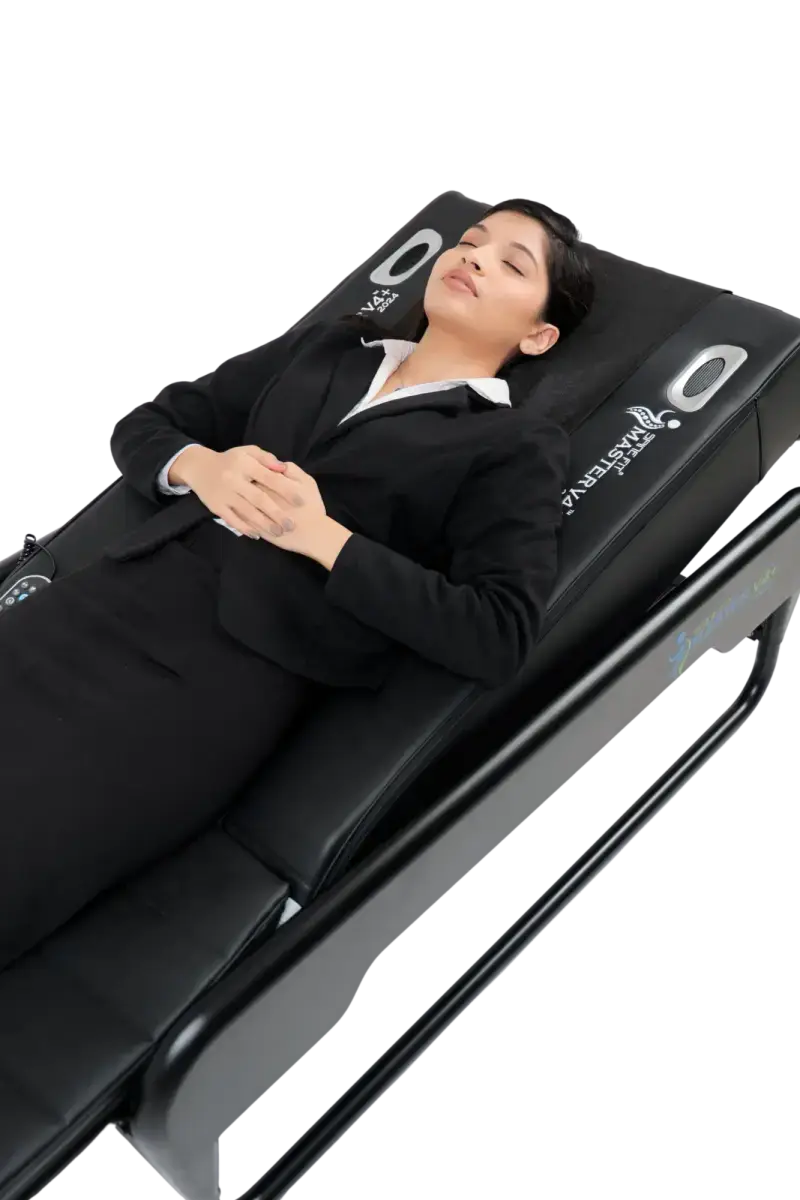
- SpineFit traction devices during pregnancy — spinal traction and high-pressure massage are contraindicated during all trimesters
- Exercises that require lying flat on back after 16 weeks (supine hypotension syndrome)
pregnancyback painprenatalsafe treatment
SM
SpineFit Medical Team
Clinical content team, SpineFit Medical